
The automotive leather market hit $24.3 billion in 2025 and is heading toward $39.2 billion by 2035. Right in the middle of this growth, nubuck leather is becoming the material of choice for luxury car brands. But why are manufacturers like Volvo, Audi, and premium automakers increasingly spec’ing nubuck for their 2026 models?
If you’re sourcing materials for automotive interiors, you need to understand what’s driving this shift. Nubuck leather isn’t just another upholstery option; it’s solving real problems that traditional leathers can’t handle.
What Is Nubuck Leather in Automotive Applications?
Nubuck leather is top-grain cattle leather that’s been lightly sanded on the outer surface to create a soft, velvety texture. Think of it as the premium version of suede, but stronger and more durable.
The key difference? Nubuck is made from the outer hide layer (top-grain), while suede comes from the inner split. This makes nubuck significantly tougher while maintaining that luxurious soft-touch feel.
In automotive applications, nubuck appears in:
- Luxury vehicle seats
- Steering wheel covers
- Dashboard panels
- Door trim inserts
- Center console surfaces
The material offers what automakers call “tactile luxury”, that soft, warm touch that immediately signals premium quality when you slide into the driver’s seat.
Want to explore nubuck options for your automotive project? Check availability and specifications at Akram Tannery, where quality meets automotive-grade standards.
Why Nubuck Leather Outperforms Other Automotive Leathers
Here’s what makes nubuck stand out in automotive interiors:
Temperature Regulation
Nubuck leather doesn’t get scalding hot in summer or ice-cold in winter like smooth leather does. The textured surface dissipates heat and provides natural insulation. Drivers notice this immediately, no more burning thighs on leather seats in July.
Grip Without Slip
The velvety surface creates natural friction. Your hands stay put on a nubuck steering wheel without feeling sticky. You don’t slide around in nubuck seats during hard cornering. This matters for performance-oriented vehicles where driver connection is critical.
Hides Wear Better
Smooth leather shows every scratch, scuff, and wear mark. Nubuck’s textured surface conceals minor damage that would be obvious on traditional leather. For high-use areas like driver’s seat bolsters, this is a major advantage.
Premium Perception
Customers perceive nubuck as more luxurious than standard leather. It feels special. That soft-touch experience translates to higher perceived value, critical when vehicles cost $50,000 to $100,000+.
Natural Breathability
Unlike sealed leather with heavy protective coatings, nubuck allows air circulation. This reduces that clammy, sweaty feeling during long drives. The material breathes naturally, improving comfort over hours behind the wheel.
Performance & Durability of Nubuck Leather in Vehicles
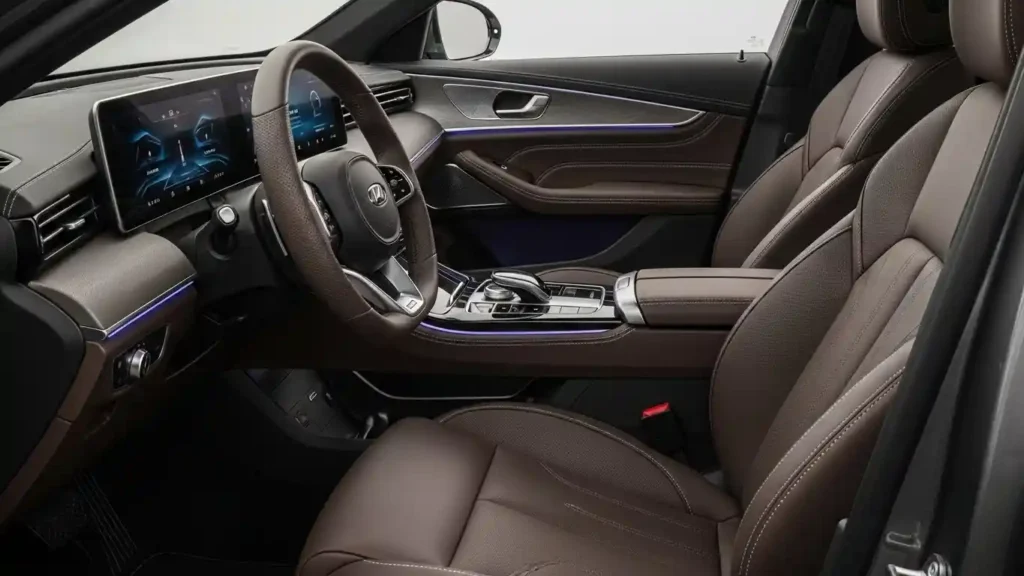
Let’s address the elephant in the room: nubuck leather has a reputation for being delicate. That’s partially true for fashion applications, but automotive-grade nubuck is engineered differently.
Automotive-Grade Treatment
Nubuck used in vehicles receives specialized treatments:
- Water-resistant coatings that don’t alter the soft feel
- Stain-resistant finishes tested against coffee, food, and sunscreen
- UV protection to prevent fading and deterioration
- Abrasion resistance for high-contact areas
Real-world testing from manufacturers like Volvo shows their nubuck seats holding up through years of family use, kids, pets, spills, and all.
Actual Durability Data
Automotive nubuck survives:
- 100,000+ Martindale abrasion cycles (industry standard is 25,000 for upholstery)
- Temperature extremes from -20°F to 140°F
- Repeated cleaning cycles without texture loss
- Direct sunlight exposure with minimal fading
One owner reported after 10 months with a nubuck-equipped XC90: “Seats look as new as when I picked up the vehicle.” Another noted after 2 years: “Actually looks better than the leather parts of the seat.”
Maintenance Reality
Here’s the truth about caring for automotive nubuck: it’s easier than you think. Modern treatments make it surprisingly forgiving. Mud brushes off. Most spills wipe clean with a damp cloth. Specialized cleaners exist, but general leather cleaners work fine for treated automotive nubuck.
Considering nubuck for bulk automotive orders? Contact Akram Tannery for samples that demonstrate real-world durability and discuss treatment options for your specific application.
Nubuck Leather Aesthetics: Premium Look & Feel
Walk into a 2026 luxury vehicle with nubuck interiors and the difference is immediate. The material creates a distinct sensory experience that smooth leather can’t replicate.
Visual Depth
Nubuck’s textured surface creates subtle shadow play that changes with lighting. The material looks alive, not flat. This visual interest makes interiors feel crafted rather than manufactured.
Tactile Experience
The soft, warm touch of nubuck feels welcoming. It’s inviting in a way that cold, smooth leather isn’t. Luxury brands understand that touch is as important as sight in creating a premium perception.
Color Options
Nubuck takes dye beautifully. Automakers offer it in:
- Classic blacks and grays
- Rich browns and tans
- Contemporary charcoals
- Even bolder colors for specialty editions
The matte finish gives colors depth and sophistication that glossy leather can’t match.
Contrast Opportunities
Many automakers combine nubuck with smooth leather for visual interest. Nubuck seat centers with smooth leather bolsters create texture contrast. This design approach is appearing in 2026 models across luxury segments.
Does Nubuck Leather Align with 2026 Automotive Trends?
The automotive landscape in 2026 is defined by electrification, sustainability, and elevated interior experiences. Nubuck leather fits perfectly into these trends.
Sustainability Focus
Luxury car brands are joining the Leather Working Group, committing to responsible sourcing and environmental standards. Nubuck aligns with this because:
- It uses the premium outer hide layer efficiently
- Natural processing requires fewer chemicals than heavily finished leathers
- The material’s longevity means less replacement waste
- Quality hides from well-managed sources support sustainable practices
Jaguar Land Rover and Maserati joined LWG in early 2025, signaling industry-wide commitment to ethical leather sourcing.
Electric Vehicle Interiors
EVs are silent. That makes interior materials more important, you notice touch and smell more without engine noise. Nubuck’s soft texture and natural scent enhance the premium, peaceful environment EV buyers expect.
Customization Demand
In 2026, buyers want personalized vehicles. Nubuck supports customization through:
- Multiple color options
- Contrast stitching possibilities
- Mixed material combinations
- Embossed patterns and textures
Technology Integration
Modern vehicles pack interiors with screens and controls. Nubuck provides a warm, organic contrast to all that technology. It humanizes high-tech cabins.
Comfort Focus
As autonomous features advance, interiors become living spaces. Nubuck’s comfort properties matter more when you’re not constantly gripping a steering wheel or bracing in the seat.
Pros and Cons of Nubuck Leather
Let’s be direct about nubuck’s strengths and limitations.
Advantages
Superior tactile feel – The soft, velvety texture creates an immediate luxury perception
Temperature comfort – Doesn’t get extremely hot or cold like smooth leather
Hides wear – Textured surface conceals minor scratches and scuffs
Breathability – Natural air circulation improves comfort
Premium positioning – Justifies higher vehicle pricing
Grip properties – Better traction than smooth leather for seats and steering
Visual interest – Textured surface adds depth to interior design
Durability – When properly treated, matches or exceeds smooth leather longevity
Disadvantages
Requires treatment – Automotive-grade nubuck needs proper protective finishing
Initial cost – Higher material expense than corrected grain or synthetic options
Perceived fragility – Customers unfamiliar with automotive nubuck may worry about durability
Specialized care – Requires appropriate cleaners, though maintenance is manageable
Stain visibility – Lighter colors show stains more than dark, smooth leather
Supply considerations – Fewer suppliers offer automotive-grade nubuck than standard leather
The key is understanding these factors when spec’ing materials and educating customers about proper care.
How to Clean and Care for Nubuck Leather
One concern about nubuck is maintenance. Here’s the practical reality for automotive applications.
Regular Maintenance
Weekly: Brush seats with a soft brush to maintain texture and remove surface dust
Monthly: Vacuum crevices and seams to prevent dirt buildup
As needed: Wipe with a slightly damp microfiber cloth for light cleaning
Spot Cleaning
For spills on nubuck automotive interiors:
- Blot immediately with an absorbent cloth, don’t rub
- Use water or automotive leather cleaner on a damp cloth
- Gently dab the affected area
- Allow to air dry naturally
- Brush to restore texture once dry
How to Remove Stains from Nubuk Leather
This is a big concern about how we can protect Nubuk leather from stains. Coffee, food, or tougher stains require:
- Specialized nubuck cleaner (automotive-grade)
- Soft nylon brush
- Clean water for rinsing
- Proper drying time
- Texture restoration with brush
Protection
Many automotive nubuck seats come pre-treated with water and stain resistance. Additional protection includes:
- Spray-on protectants designed for nubuck (like Scotchgard)
- Regular brushing to maintain treatment effectiveness
- Avoiding harsh chemicals or all-purpose cleaners
The reality from actual owners: properly treated automotive nubuck is far more resilient than its reputation suggests. With basic care, it maintains its appearance through years of use.
Nubuck Leather vs Other Automotive Leathers (Comparison Table)
| Feature | Nubuck | Full-Grain Smooth | Corrected Grain | Semi-Aniline | PU Synthetic |
| Touch Feel | Soft, velvety | Firm, smooth | Synthetic feel | Natural, smooth | Plastic-like |
| Temperature | Excellent regulation | Can get hot/cold | Moderate | Good regulation | Poor, traps heat |
| Durability | High (treated) | Very high | Very high | High | Moderate |
| Wear Visibility | Low (hides well) | High (shows marks) | Low (coating hides) | Moderate | High (cracks visible) |
| Breathability | Excellent | Good | Poor | Good | Very poor |
| Maintenance | Moderate effort | Low effort | Very low effort | Low effort | Very low effort |
| Luxury Perception | Highest | High | Moderate | High | Low |
| Cost | High | High | Moderate | High | Low |
| Stain Resistance | Moderate (needs treatment) | Moderate | High | Moderate | High |
| Color Options | Wide range | Wide range | Very wide range | Good range | Unlimited |
| Aging | Develops character | Develops patina | Wears out | Develops patina | Deteriorates |
| Best Use | Luxury seats, premium trim | High-contact areas | Mid-level interiors | Premium applications | Economy vehicles |
This comparison shows why nubuck is gaining ground in luxury segments; it excels in the areas that matter most for premium automotive interiors.
Need detailed specifications for automotive nubuck? Request technical data sheets and samples from Akram Tannery to compare options for your project.
Akram Tannery: The Right Nubuck Leather Supplier for Automotive Brands
Sourcing automotive-grade nubuck requires suppliers who understand both leather quality and automotive requirements. This is where many brands struggle, finding suppliers who can deliver consistent quality at scale.
Why Automotive Brands Trust Akram Tannery
34+ Years of Leather Expertise
Since 1990, Akram Tannery has been producing premium leather for demanding applications. This experience translates directly into understanding what automotive interiors require.
5 Million Square Feet Annual Capacity
Bulk automotive orders demand serious production capacity. Akram Tannery operates at a commercial scale while maintaining quality control. Whether you need 1,000 square feet for a limited edition or 100,000+ for full production runs, capacity isn’t a bottleneck.
Automotive-Grade Processing
Nubuck leather for cars needs specialized treatment, water resistance, stain protection, UV resistance, and abrasion durability. Akram Tannery’s processing includes these automotive-specific treatments that fashion-grade nubuck lacks.
Quality Consistency
Automotive production can’t tolerate variation between batches. Color must match. Thickness must be consistent. Texture needs to be uniform. Quality control systems ensure every square foot meets specifications.
Global Export Experience
Akram Tannery supplies automotive leather to manufacturers across the USA, Europe, the Middle East, and Asia. This international experience means they understand different regional regulations, testing standards, and certification requirements.
What Automotive Buyers Get
Technical Support – Guidance on selecting appropriate nubuck types for specific applications
Sample Testing – Physical samples for evaluation before bulk orders
Custom Specifications – Leather tailored to your exact thickness, color, and treatment needs
Reliable Timelines – Production schedules that align with automotive manufacturing demands
Compliance Documentation – Testing certificates and material specifications for regulatory requirements
Competitive Pricing – Pakistan’s cost advantages without quality compromise
Real Customer Results
Automotive suppliers working with Akram Tannery report:
- Consistent quality across multiple production runs
- On-time delivery meeting tight manufacturing schedules
- Responsive communication for technical questions
- Competitive pricing that improves margins
- Flexible minimums for prototyping and testing
Ready to evaluate nubuck options for your automotive project? Contact Akram Tannery at akramtannery.com or reach out via WhatsApp for an immediate response. Request samples specific to automotive applications and discuss your technical requirements.
Final Verdict: Is Nubuck the Future of Automotive Interiors?
The data points clearly: nubuck leather is securing its position in luxury automotive interiors for 2026 and beyond.
The automotive interior leather market’s growth to $39.2 billion by 2035 is driven largely by luxury segment expansion, exactly where nubuck performs best. Luxury vehicles account for over 70% of genuine leather use, and within that segment, nubuck is gaining market share.
Why Nubuck Works for 2026 Trends
✓ Sustainability alignment – Natural processing and efficient hide use
✓ Premium differentiation – Creates a luxury perception that justifies pricing
✓ Comfort focus – Superior tactile and temperature properties
✓ EV compatibility – Enhances quiet, refined cabin environment
✓ Customization support – Offers color and texture variety
✓ Performance delivery – Durability that matches traditional leather when properly treated
The Realistic Assessment
Nubuck won’t replace all automotive leather. Corrected grain and PU leather will continue dominating mid-market vehicles where cost is paramount. But for luxury segments, where customer experience justifies premium materials, nubuck is becoming standard rather than optional.
Brands like Volvo, Audi, and other premium manufacturers are expanding nubuck offerings in 2026 models. This isn’t experimentation, it’s strategic positioning based on customer response and material performance.
What This Means for Automotive Buyers
If you’re sourcing materials for luxury vehicle interiors, nubuck leather deserves serious consideration:
For OEM manufacturers: It differentiates your vehicles in competitive luxury segments
For custom shops: It offers a premium upgrade path with a clear value proposition
For aftermarket suppliers: Growing demand creates a business opportunity
For designers: The material enables creative interior concepts
The key is partnering with suppliers who understand automotive requirements, not just fashion-grade leather producers trying to enter automotive markets.
Take Action Now
The automotive leather market is evolving. Brands that establish nubuck supply relationships now position themselves advantageously as luxury demand grows.
Next Steps:
- Request automotive-grade samples from proven suppliers like Akram Tannery
- Test materials in your specific application environments
- Evaluate treatment options for your performance requirements
- Compare total cost, including maintenance and customer satisfaction factors
- Establish supplier relationships before demand tightens supply
Don’t wait until your competitors have locked up reliable nubuck sources. Contact Akram Tannery today to discuss your automotive leather requirements:
Email: info@akramtannery.com
Website: akramtannery.com
WhatsApp: Direct line for technical discussions
Location: Kasur, Punjab, Pakistan
Get samples. Discuss specifications. Lock in supply for your 2026 production needs.
The automotive interior leather market is growing. Nubuck is capturing an increasing share of the luxury segments. The question isn’t whether to consider it, it’s whether you’ll move fast enough to secure a reliable supply from quality manufacturers.
Your 2026 luxury interior success starts with the right leather partner. Make that connection today.
Frequently Asked Questions
What makes nubuck leather different from regular leather in cars?
Nubuck is top-grain leather sanded to create a soft, velvety texture. It regulates temperature better than smooth leather, provides natural grip, and conceals wear marks. Automotive nubuck receives special treatments for water and stain resistance while maintaining its soft feel.
Is nubuck leather durable enough for car seats?
Yes. Automotive-grade nubuck withstands 100,000+ abrasion cycles, extreme temperatures (-20°F to 140°F), and years of daily use. It receives protective treatments for water resistance, UV protection, and stain resistance, making it as durable as traditional smooth leather.
How do you clean nubuck leather in cars?
Brush weekly with a soft brush, vacuum monthly, and wipe spills immediately with a damp microfiber cloth. Use automotive leather cleaner for stains. Avoid harsh chemicals, excessive water, and heat. Treated automotive nubuck is easier to maintain than untreated fashion nubuck.
Why are luxury car brands using more nubuck in 2026?
Nubuck meets 2026 trends: sustainability, premium differentiation, and enhanced comfort. It offers superior tactile feel, temperature regulation, and luxury perception that justifies higher vehicle pricing. Growing EV adoption also favors nubuck’s quiet, refined cabin feel.
Where can I buy automotive-grade nubuck leather in bulk?
Reliable suppliers include specialized automotive leather manufacturers with proper certifications and capacity. Look for suppliers offering automotive-grade treatments (water/stain resistance, UV protection), consistent quality control, bulk capacity, and compliance documentation. Akram Tannery supplies automotive nubuck with 34+ years expertise and 5M sq ft capacity.