
Choosing the right leather determines whether your product feels premium or ordinary. Embossed and speciality leathers offer design flexibility, branding opportunities and performance advantages that smooth leather cannot match. For brands creating handbags, footwear, upholstery, or accessories, understanding when to use these materials and why directly impacts product differentiation and customer perception.
What Is Embossed Leather and How Is It Made?
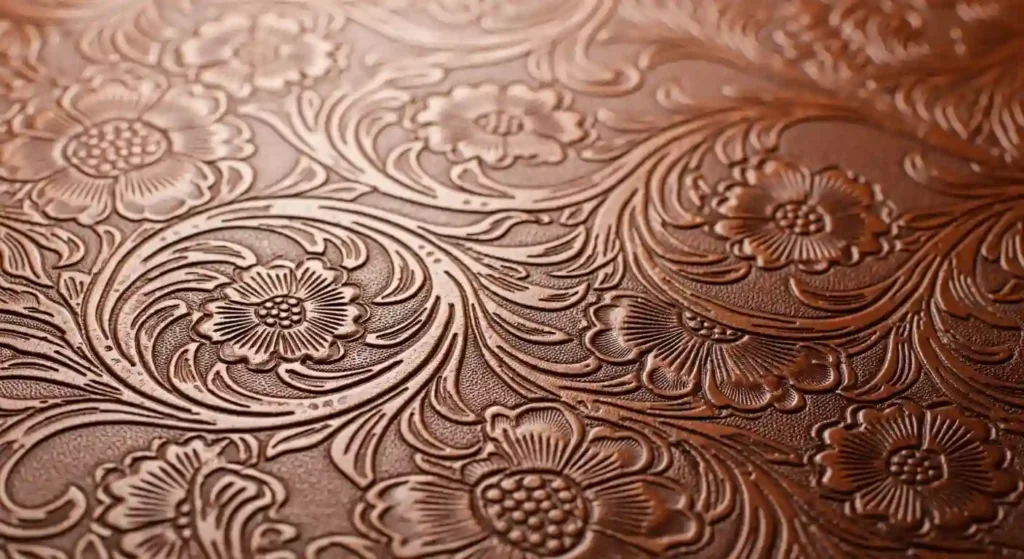
Embossed leather is genuine leather with patterns pressed into its surface using heat and pressure. The process creates permanent three-dimensional textures ranging from exotic animal patterns to geometric designs, custom logos, or artistic motifs.
The Embossing Process
The manufacturing process follows specific steps:
Leather Selection – Top-grain or corrected-grain leather works best for embossing. The base leather must be high-quality enough to accept clean patterns while strong enough to withstand the heat and pressure involved.
Pattern Preparation – Embossing plates or rollers are engraved with desired designs. These metal tools can be custom-made for specific patterns or selected from standard options like crocodile, snake, pebble grain, or floral designs.
Heat and Pressure Application – Leather passes through embossing machinery where heated plates (typically 150-200°C) press patterns into the surface. Pressure ranges from 100-400 PSI, depending on leather thickness and desired pattern depth.
Finishing – After embossing, the leather may receive protective coatings, dyes, or polishing to enhance durability and appearance. Some embossed leather gets foil stamping for metallic highlights or color imprinting for vibrant patterns.
Technical Factors Affecting Quality
Three variables control embossing results:
Pressure – Higher pressure creates deeper, more durable impressions. Insufficient pressure produces shallow patterns that fade quickly with use.
Temperature – Proper heat permanently sets patterns without damaging leather fibers. Too much heat burns the surface; too little fails to create lasting impressions.
Moisture – Slightly dampening leather before embossing helps achieve crisper, more defined patterns. The moisture softens fibers temporarily, allowing them to conform to the pattern more completely.
Why Embossing Works
The process works because leather’s collagen structure responds to heat and pressure by conforming to new shapes. When cooled, the fibers maintain these forms permanently. This differs from printing, which applies designs to the surface without altering the leather’s physical structure.
Considering embossed leather for your product line? Contact Akram Tannery to discuss pattern options, minimum quantities and custom embossing capabilities for your specific application.
What Are Speciality Leathers and Their Unique Features?
Speciality leathers encompass materials processed or finished using unique methods that create distinctive characteristics beyond standard leather properties.
Types of Speciality Leathers
Patent Leather – High-gloss finish created through multiple layers of lacquer or polyurethane coating. The mirror-like surface makes patent leather instantly recognizable in formal footwear and fashion accessories. It’s water-resistant and easy to clean, but less breathable than uncoated leathers.
Nubuck and Suede – Created by buffing the leather surface to create soft, velvety textures. Nubuck uses the outer grain (more durable), while suede comes from the inner split (softer but less durable). Both offer tactile luxury and temperature regulation superior to smooth leather.
Metallic Leather – Finished with metallic coatings or foils, creating shimmer and shine. Popular in fashion-forward products, metallic leathers add visual impact while maintaining leather’s flexibility and comfort.
Distressed Leather – Deliberately treated to create aged, worn appearances. Techniques include tumbling, brushing, waxing, or chemical treatments that produce vintage aesthetics valued in certain markets.
Pull-Up Leather – Heavily oiled during tanning, so it lightens when stretched or pulled. The oil content makes it water-resistant and allows it to develop a rich patina quickly. Common in high-end bags and boots.
Nappa Leather – Exceptionally soft, full-grain leather processed using specific tanning methods. Despite being thin and supple, quality nappa maintains surprising strength. It’s the standard for luxury glove leather and premium automotive interiors.
When to Use Embossed Leather
Embossed leather solves specific challenges while creating opportunities that smooth leather cannot.
Concealing Imperfections
High-quality smooth leather requires nearly perfect hides, expensive and sometimes scarce. Embossing allows the use of hides with minor scarring, insect bites, or grain irregularities that would disqualify them for smooth applications.
For cost-conscious brands, this represents significant material savings without compromising customer perception of quality.
Creating Exotic Aesthetics Affordably
Genuine crocodile, python, or ostrich leather costs hundreds of dollars per square foot. Embossed leather mimicking these patterns delivers similar visual impact at a fraction of the cost, typically 10-20% of exotic leather prices.
Brands can offer exotic-looking products to broader markets without the ethical concerns or price barriers of actual exotic skins. Crocodile-embossed handbags retail for $200-500 versus $2,000-5,000+ for genuine crocodile.
Brand Identity and Logo Applications
Custom embossing creates permanent branding, impossible with smooth leather. Logos, patterns, or signatures become integral to the material rather than applied surface treatments that might wear off.
Enhanced Durability Properties
Embossing actually improves certain durability aspects:
Scratch Resistance – Textured surfaces hide scratches that would be obvious on smooth leather. Minor abrasions disappear into the pattern.
Wear Concealment – High-use areas like bag corners or belt buckle points show wear less noticeably on embossed surfaces.
Structural Reinforcement – The compression involved in embossing slightly densifies leather fibers, creating a marginally stronger material than the original hide.
Design Flexibility
Embossing enables design variations impossible otherwise:
- Mix multiple patterns on a single product for visual interest
- Create seasonal collections with pattern changes rather than complete material changes
- Develop signature patterns unique to your brand
- Coordinate patterns across product lines for cohesive collections
Fashion brands refresh collections by changing embossing patterns while maintaining base leather quality and production processes.
Need samples showing embossing options for your product category? Akram Tannery provides test swatches demonstrating pattern depth, durability and finishing compatible with your manufacturing requirements.
Best Applications for Speciality Leather in Premium Products
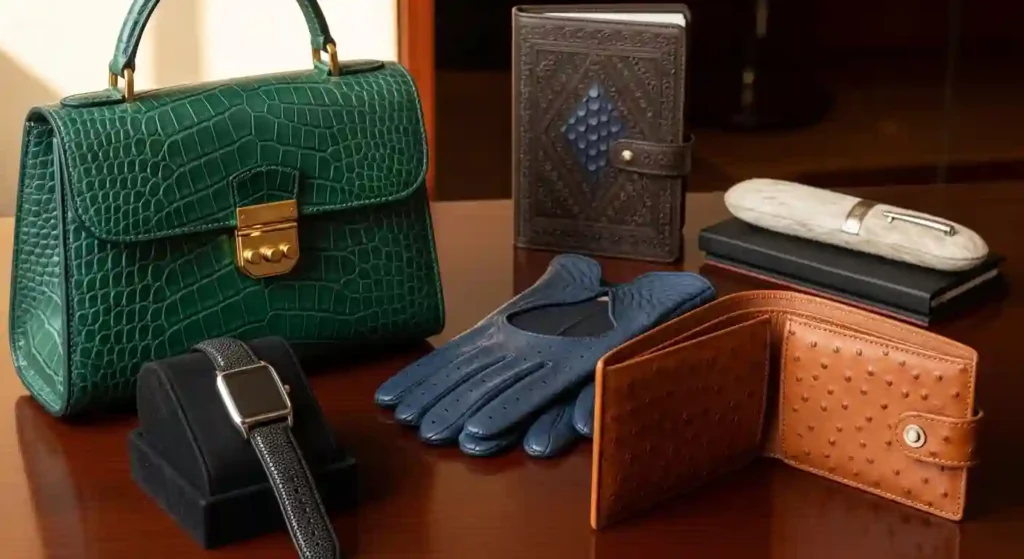
Different specialty leathers excel in specific applications where their unique properties create maximum value.
Fashion Accessories and Handbags
Nappa Leather – Ultra-premium handbags and small leather goods where softness and drape create a luxury feel. The material conforms to body contours comfortably, even in structured bags.
Patent Leather – Evening bags, formal accessories and statement pieces requiring a high-gloss aesthetic. The water-resistance protects contents from the weather while maintaining a pristine appearance.
Distressed Leather – Casual bags, messenger bags and vintage-inspired pieces where a worn appearance adds character. Appeals to consumers seeking authentic, lived-in aesthetics.
Footwear Applications
Nubuck – Premium casual footwear, boots and sneakers where soft-touch and breathability matter. The material breaks in quickly while maintaining structure. Desert boots and casual oxfords commonly use nubuck for comfort without sacrificing quality appearance.
Patent Leather – Dress shoes, formal women’s pumps and fashion-forward sneakers. The glossy finish signals formality or makes bold fashion statements, depending on application.
Pull-Up Leather – Work boots, heritage footwear and products marketed for durability and aging characteristics. The oil content resists water, while the visual changes during use become selling points rather than defects.
Automotive Interiors
Nappa Leather – Luxury vehicle seats, steering wheels and interior trim where occupants spend hours in direct contact. The softness prevents discomfort during extended driving, while the premium feel justifies vehicle pricing.
Perforated Specialty Leather – Seats requiring breathability in hot climates. The perforation pattern becomes a design element while solving functional cooling needs.
Two-Tone Specialty Finishes – Creating visual interest through contrast between smooth and textured areas, or mixing specialty leathers with standard surfaces for design variety.
Furniture and Upholstery
Pull-Up Leather – Sofas and chairs where the oil content resists staining and the material develops character with use. Particularly popular in commercial settings like restaurants and hotels, where furniture receives heavy use.
Distressed Leather – Furniture targeting rustic, vintage, or industrial aesthetics. The pre-aged appearance means new wear blends rather than appearing as damage.
Patent and Metallic Leathers – Statement furniture pieces, modern design applications and commercial spaces seeking bold visual impact. These materials work for accent pieces rather than entire furniture sets.
Corporate and Promotional Products
Embossed Leather – Executive gifts, awards and corporate portfolios where embossed logos create a professional presentation without appearing cheaply branded.
Nappa and Soft Leathers – High-end promotional items like journal covers, tablet cases, or gift boxes where touch experience reflects brand quality.
Ready to source embossed or specialty leather for your next collection?
With 34+ years of producing premium leather, including embossed and specialty finishes, Akram Tannery supplies brands worldwide with materials meeting exact specifications. Our 5 million square feet annual capacity handles both small custom runs and large-scale production.
We provide:
- Custom embossing pattern development and execution
- Multiple specialty leather finishing capabilities
- Technical guidance matching materials to applications
- Sample swatches for evaluation before bulk orders
- Consistent quality across production runs
- Global shipping to the USA, Europe, the Middle East and Asia
Whether you need crocodile embossing for handbag collections, nubuck for premium footwear, or specialty finishes for unique applications, our experienced team understands both the technical requirements and market positioning implications of your material choices.
Don’t compromise product quality or brand perception through incorrect leather selection. Partner with suppliers who understand both manufacturing capabilities and end-market requirements.
Your next premium product starts with the right leather. Let’s discuss your needs today.
Frequently Asked Questions
What is the difference between embossed leather and genuine exotic leather?
Embossed leather is standard cowhide with patterns pressed into the surface mimicking exotic skins, while genuine exotic leather comes from animals like crocodiles or snakes. Embossed costs 10-20% of exotic leather prices, avoids ethical concerns, offers consistent availability and provides similar visual appeal for most applications.
Does embossing damage or weaken leather quality?
No, proper embossing actually slightly strengthens leather through fiber compression during the process. It enhances scratch resistance and wear concealment versus smooth leather. Quality depends on starting material; embossing doesn’t fix poor leather but maximizes yield from good hides by disguising minor natural imperfections.
What products work best with specialty leathers like nubuck or patent?
Nubuck excels in footwear (boots, casual shoes), bags requiring soft touch and automotive interiors for comfort during extended contact. Patent leather suits formal shoes, evening bags and products needing maximum water resistance. Match specialty leather properties (softness, water-resistance, gloss) to specific product functional requirements.
How do I choose between embossed and specialty leather for my brand?
Consider functional needs (durability, water resistance, comfort), aesthetic goals (luxury vs exotic vs bold), budget constraints (embossed adds 10-30%, specialty adds 20-80%), production capabilities and target market preferences. Request samples, create prototypes, gather customer feedback and conduct wear testing before committing to production quantities.
Can I get custom embossing patterns for small production runs?
Yes, but minimum quantities typically require 500-1,000 square feet for custom pattern development due to tooling costs. For smaller runs, use standard embossing patterns (crocodile, snake, pebble grain) available without tooling investment. Some suppliers offer lower minimums for established customers or premium pricing tiers.