
Buffalo leather offers a denser fibre structure, larger hides, and a pronounced natural grain that suits rugged, heritage, and high-traffic furniture at a competitive cost. Cowhide offers a smoother, more uniform grain that takes finishes, dyes and embossing more consistently across large production runs. For furniture upholstery, buffalo wins on durability and value, while cowhide wins on uniformity and finish flexibility.
What Is the Difference Between Buffalo Leather and Cowhide?
Buffalo leather for upholstery comes from the water buffalo, a different animal from the domestic cow that produces cowhide. The two hides behave differently because their fibre structures differ at the source. Water buffalo hide carries a denser, more interlocked fibre network and a thicker substance, which is why it resists tearing and abrasion so well. Cowhide carries a finer, more uniform fibre structure that produces a smoother surface and accepts surface finishes with more consistency.
For furniture manufacturers, this difference is not academic. It decides how the finished sofa, chair, or contract seating wears over a decade of use, how uniformly a production run matches across hundreds of hides, and how the leather takes the colour and texture a design demands. We have produced both buffalo and cowhide upholstery leather at our Kasur facility since 1990, and the comparison below reflects how the two materials actually behave in furniture production rather than marketing claims. For a broader primer on grades and types, our guide on what leather is and how to choose the best quality covers the fundamentals.
How Do Buffalo and Cowhide Compare for Furniture Upholstery?
The table below sets the two hides side by side on the attributes that matter most to furniture and upholstery buyers. Each row reflects general material behaviour documented across the leather industry rather than a single supplier’s claim.
| Attribute | Buffalo Leather | Cowhide |
| Fibre density and durability | Denser, more interlocked fibres; very high abrasion and tear resistance | Finer, uniform fibres; strong but generally less dense than buffalo |
| Grain and appearance | Pronounced natural grain, rugged and characterful | Smoother, more uniform grain; easier to match across a run |
| Finish acceptance | Takes aniline and pull-up well; less ideal for fine embossing | Excellent for dyeing, embossing, printing, and corrected grain |
| Hide size | Larger average hides, fewer seams on big panels | Standard hide size, widely available |
| Weight and substance | Heavier, thicker substance | Lighter, broader thickness range |
| Typical cost position | Often more affordable per square foot at comparable grade | Wide range; premium full-grain commands higher prices |
| Best furniture fit | Rustic, heritage, high-traffic, contract seating | Uniform modern designs, printed or embossed lines, large matched runs |
Neither hide is universally better. The right choice depends on the furniture line, the wear expectation, and the finish the design calls for. Buyers building durable, characterful, or contract-grade furniture lean buffalo, while buyers needing uniform colour and finish flexibility across large runs lean cowhide.
Which Leather Is More Durable for Upholstery?
Durability is where buffalo leather earns its reputation in furniture. The denser, more interlocked fibre structure of water buffalo hide resists abrasion, scuffing, and tearing better than most cowhide at a comparable grade. For high-traffic furniture such as family sofas, hospitality seating, and contract installations, this fibre density translates into a longer service life before the leather shows wear at the arms, seat, and edges.
Cowhide is far from weak. Full-grain cowhide upholstery is durable and proven across decades of furniture production. The distinction is one of degree. Where a furniture line faces heavy daily use or commercial wear, buffalo’s fibre structure provides a meaningful margin. Where the line faces normal residential use and the design priority is finish and uniformity, cowhide’s durability is more than adequate. Upholstery buyers should always confirm durability against a recognised abrasion benchmark on the actual production hide rather than relying on the animal alone.
How Does Grain and Appearance Differ?
Grain is the visible character of the leather surface, and it separates the two hides at a glance. Buffalo leather shows a pronounced, open natural grain with visible texture that furniture designers use deliberately for a rugged, heritage, or artisanal look. The grain varies across the hide, which reads as authenticity to some buyers and as inconsistency to others. The pronounced grain also hides minor scuffs and use marks well, which suits family and contract furniture.
Cowhide presents a smoother, finer, more uniform grain that matches more predictably across a large production run. This uniformity is the reason cowhide dominates designs that require consistent colour and texture across a full furniture collection, and the reason it accepts embossing, printing, and corrected-grain treatments more cleanly. A furniture brand building a uniform modern collection usually specifies cowhide for exactly this consistency, and our finished leather range covers the surface treatments that depend on it.
Which Thickness and Tan Suit Furniture Upholstery?
Upholstery leather lives in a specific thickness band because it has to wrap frames, hold shape on cushions, and survive tailoring without tearing at seams. Cowhide upholstery typically runs in a moderate substance suited to consistent cutting and sewing across a collection. Buffalo upholstery typically carries a heavier substance that reinforces its durability advantage on high-wear panels. The exact thickness should always be specified against the furniture pattern and the panel it covers rather than chosen as a single figure for the whole hide.
Tannage matters as much as thickness for furniture. Chrome-tanned upholstery leather offers softness, colour range, and consistency that suit most furniture lines. Vegetable-tanned and combination-tanned hides offer firmer body and a patina that develops over years, which suits heritage and premium furniture. Buyers weighing the tannage decision can review our vegetable-tanned leather options against the softer chrome-tanned upholstery hides to match the brief.
Is Buffalo Leather Cheaper Than Cowhide?
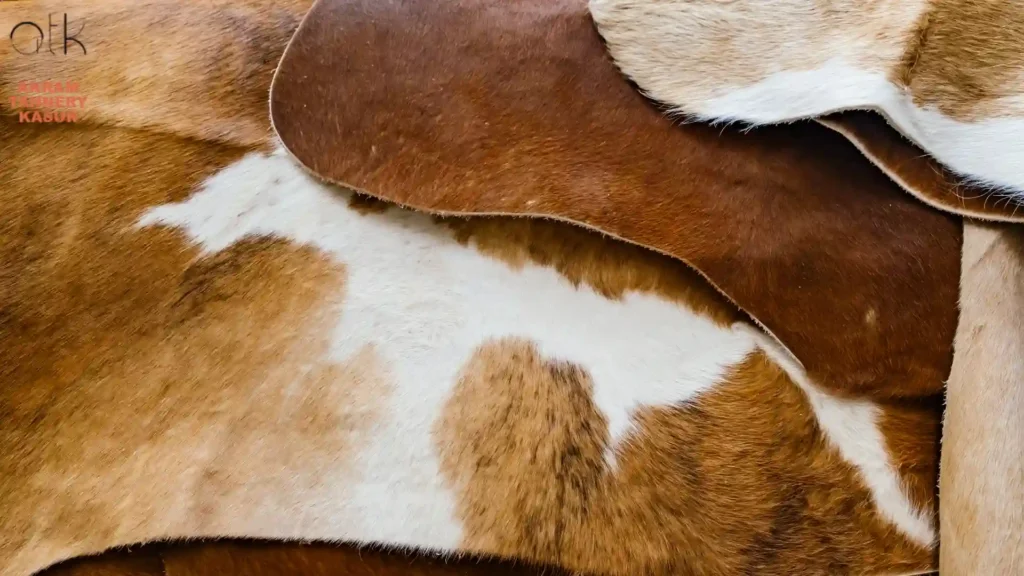
Buffalo leather is often more affordable per square foot than premium full-grain cowhide at a comparable grade, but the honest answer is that the price gap depends on five factors rather than the animal alone. A furniture buyer comparing the two on headline price without these factors will misread the real cost.
- Hide grade. Full-grain commands more than corrected grain or split, in both buffalo and cowhide.
- Tannage. Chrome, vegetable, and combination tannage carry different input and time costs.
- Finish. Aniline and hand-finished surfaces cost more than pigmented or corrected finishes.
- Thickness and substance. Heavier substance uses more raw material per square foot.
- Order volume. Larger runs lower the per-unit price across both hides.
Rather than quote a figure that may not match your specification, we price every upholstery order to the exact grade, tannage, finish, thickness, and volume. For a precise quotation and a sample of the actual hide, send your specification through our leather request page and our team will respond with current pricing.
How Do You Choose Between Buffalo and Cowhide for a Furniture Line?
The decision becomes simple once the furniture line and its wear expectation are clear. Match the hide to the design intent and the use environment rather than choosing on price or tradition alone. The table below maps common furniture applications to the better-fit hide and the reason behind it.
| Furniture Application | Better Fit | Reason |
| Rustic, heritage, or artisanal sofas | Buffalo | Pronounced grain and rugged character suit the aesthetic |
| High-traffic family or contract seating | Buffalo | Denser fibre resists abrasion and tearing over years of use |
| Uniform modern collections | Cowhide | Smoother, consistent grain matches across a large run |
| Embossed, printed, or corrected-grain designs | Cowhide | Finer surface accepts finishing treatments cleanly |
| Budget-conscious large production | Buffalo | Often more affordable per square foot at a durable grade |
| Premium aniline furniture | Cowhide | Fine grain showcases full aniline depth and clarity |
Many furniture brands carry both hides across their collections, specifying buffalo for durable and characterful lines and cowhide for uniform and finished lines. The choice is a design and engineering decision, not a question of which leather is better in the abstract. Our upholstery leather range covers both buffalo and cowhide articles so a single brief can source both.
What Should Upholstery Buyers Verify Before Ordering?
Sourcing upholstery leather for production carries real risk if specifications are vague, because furniture failures surface only after the leather is on the frame and in the customer’s home. A disciplined buyer confirms a short list of specifics before committing to a bulk order, and the same checks apply whether the hide is buffalo or cowhide.
Confirm the hide grade and whether it is full-grain, top-grain, corrected, or split. Confirm the tannage and finish against the design intent. Confirm the thickness band for each furniture panel. Confirm abrasion and durability against a recognised benchmark on the production hide. Confirm chemical and environmental compliance, which European and North American furniture brands increasingly require, by checking the supplier’s audit status on the Leather Working Group public register. Above all, order a paid sample of the actual production hide before the bulk run, because the sample is what the finished furniture will look like.
Why Source Upholstery Leather from Pakistan?
Pakistan ranks among the top global suppliers of finished upholstery leather, and the Kasur cluster south of Lahore is the heart of its tanning industry. The country processes both water buffalo and cowhide at scale, which makes it one of the few origins where a furniture brand can source both hides from a single, compliant supplier. Buffalo in particular is a Pakistani strength, given the strong domestic supply of water buffalo hide and decades of experience tanning it for durable applications.
Akram Tannery has operated from Kasur since 1990, producing finished leather for furniture, automotive, footwear, and bag manufacturers across the European Union, United Kingdom, United States, China, and the Middle East. Our experience with both buffalo and cowhide upholstery lets us advise furniture brands on the right hide for each line rather than pushing a single material. Buyers can read more about our history and capability on our company story page.
Common Mistakes When Sourcing Upholstery Leather
Across the furniture briefs we handle, the same avoidable mistakes appear repeatedly. Each one is preventable with a clear specification and a paid sample.
- Choosing the hide on price alone without matching it to the furniture line’s wear and finish needs.
- Specifying only thickness without grade, tannage, and finish, which lets quality vary widely.
- Skipping the paid production sample and approving on a best-lot free swatch.
- Assuming buffalo and cowhide are interchangeable across a uniform collection, then finding grain mismatch on the showroom floor.
- Ignoring compliance documentation that European and North American furniture retailers require at import.
The most expensive mistake is skipping the production sample, because a furniture run committed to the wrong hide cannot be corrected once the leather is cut and sewn. A paid sample is the cheapest insurance a furniture buyer ever purchases.
How Akram Tannery Approaches Upholstery Leather
We treat upholstery leather as an engineering decision rather than a commodity sale. For each furniture brief we confirm the line, the wear environment, the finish intent, and the destination market’s compliance requirements, then recommend buffalo, cowhide, or a mix across the collection. We produce both hides at our Kasur facility with documented tannage and finish, and we ship with the compliance documentation that European and North American furniture brands require.
Furniture brands evaluating Pakistan as an upholstery leather origin can request a sample set of both buffalo and cowhide articles to compare against their own specification. Send your brief through our contact page and our team will prepare a sample and quotation matched to your furniture line.
Frequently Asked Questions
What is buffalo leather made of?
Buffalo leather is made from the hide of the water buffalo, tanned and finished into upholstery, footwear, and accessory leather. It is genuine, full-thickness animal hide with a denser fibre structure than cowhide, which gives it its characteristic durability and pronounced natural grain.
Is buffalo leather real leather?
Yes. Buffalo leather is genuine, full-thickness leather made from water buffalo hide. It is not a synthetic or bonded material. Full-grain buffalo leather retains the natural hide surface and is among the most durable genuine leathers used in furniture upholstery.
Is buffalo leather better than cow leather for furniture?
For durability and high-traffic furniture, buffalo leather generally outperforms cowhide because its fibre structure is denser. For uniform modern collections and finished designs that need consistent grain and colour, cowhide is usually the better fit. Neither is universally better; the right choice depends on the furniture line.
Is buffalo leather good quality for upholstery?
Full-grain buffalo leather is high quality for upholstery, offering strong abrasion and tear resistance, a characterful natural grain, and a competitive cost. Quality depends on grade, tannage, and finish rather than the animal alone, so buyers should confirm the specification and approve a production sample.
Is buffalo leather more expensive than cowhide?
Buffalo leather is often more affordable per square foot than premium full-grain cowhide at a comparable grade. The actual price depends on hide grade, tannage, finish, thickness, and order volume rather than the animal alone, so a precise quote requires a full specification.
What is the difference between water buffalo leather and cow leather?
Water buffalo leather comes from the water buffalo and carries a denser fibre structure, thicker substance, and pronounced grain. Cow leather comes from domestic cattle and carries a finer, more uniform grain that accepts finishes more consistently. Buffalo favours durability; cowhide favours uniformity and finish flexibility.
Is full-grain buffalo leather good for furniture?
Full-grain buffalo leather is excellent for durable, heritage, and high-traffic furniture. It retains the natural hide surface and the dense fibre structure that resist wear over years of use. For uniform finished collections, full-grain cowhide may suit the design better, so match the grain character to the furniture line.
Final Thoughts
Buffalo leather and cowhide are both excellent upholstery materials, and the right choice is a furniture engineering decision rather than a contest. Buffalo leads on durability, rugged grain, and value, which suits heritage, high-traffic, and contract furniture. Cowhide leads on uniformity and finish flexibility, which suits modern, embossed, and large matched collections. Match the hide to the line, confirm the full specification, and always approve a paid production sample before the bulk run.
Ready to compare both hides for your furniture line? Explore our buffalo and cowhide upholstery leather and request a buffalo and cowhide sample set matched to your specification.