
When you’re running a manufacturing business that produces leather belts or watch straps, the quality of your raw material determines everything. Your customers expect their full grain leather belt or leather watch band to last for years, develop a beautiful patina, and feel comfortable from day one. But here’s the challenge: not all leather is created equal, and choosing the wrong supplier can cost you more than money; it can damage your reputation.
The good news? Understanding how successful manufacturers source and select leather doesn’t require a degree in material science. Whether you’re looking to buy leather for belt making or upgrade your leather wrist watch bands collection, this guide will walk you through exactly what the pros look for when choosing premium leather.
Why Leather Quality Makes or Breaks Your Product
Think about it this way: a customer buying a full grain leather belts for men or women’s full grain leather belt isn’t just purchasing an accessory. They’re investing in something they’ll wear daily, something that should improve with age rather than fall apart after a few months.
Poor quality leather shows its true colors fast. It cracks at the holes, stretches unevenly, loses its shape, or develops an unpleasant chemical smell. For manufacturers, this means returns, negative reviews, and lost customers. On the flip side, premium leather creates loyal customers who come back for more and recommend your products to others.
The best leather for belts and watch leather straps shares several key characteristics: durability, flexibility, natural appearance, and the ability to age gracefully. These qualities aren’t accidents they come from careful sourcing decisions made long before the leather reaches your workshop.
What Makes Leather Ideal for Luxury Watches and Belts?
Premium leather should check all these boxes:
- Durability: withstands wear, bending, and moisture.
- Aging Gracefully: develops a rich patina over time.
- Comfort: breathable and skin-friendly for watch straps.
- Consistency: uniform grain and color.
- Sustainability: ethically sourced and responsibly tanned.
Luxury watch and belt brands rely on leathers that look better as they age a key hallmark of quality full-grain leather.

Understanding Leather Strap Materials
When it comes to leather straps for watches, the inside material matters as much as the surface.
- Top Layer: visible leather (full-grain or calfskin).
- Liner Layer: soft backing for skin contact, often goatskin or calf suede.
- Padding: foam or leather filling for comfort.
Manufacturers use special adhesives and edge-coating techniques to ensure flexibility and durability.
Understanding the Different Types of Leather for Manufacturing
Before you can choose the right leather, you need to understand what you’re actually buying. The leather industry uses specific terms that directly impact quality and price.
Full Grain Leather: The Gold Standard
Full grain leather is the highest quality leather you can source for belt making or watch band production. This leather comes from the top layer of the hide and includes all the natural grain. Nothing has been sanded away or buffed out, which means you see the authentic texture, natural markings, and unique character of the hide.
Why do top manufacturers prefer full grain leather? Because it’s the strongest and most durable option available. The tightly woven fibers in the outer layer of the hide create a material that resists wear and tear. When you’re producing full grain leather belt women or men’s styles, this durability translates directly to customer satisfaction.
Full grain leather also develops a rich patina over time. This aging process is what makes a leather for a belt or watch strap leather look better after years of use rather than worn out. The natural oils in the leather darken and create depth that synthetic materials can never replicate.
Top Grain Leather: A Practical Alternative
Top grain leather is slightly processed; the very top layer is sanded to remove imperfections. This creates a more uniform appearance, which some manufacturers prefer for certain product lines. While it’s still high quality, it’s not quite as durable as full grain leather.
For types of leather belts that need a consistent look across large production runs, top grain offers a good balance between quality and uniformity. It’s softer and more flexible out of the box than full grain leather, which some customers appreciate.
Genuine Leather: Understanding the Marketing
Here’s where many new manufacturers get confused. “Genuine leather” sounds premium, but in the leather industry, it actually refers to lower quality material. This leather comes from the layers beneath the top grain and often includes multiple pieces bonded together.
While genuine leather works for budget products, serious manufacturers producing premium leather straps watch or leather belt buckles typically avoid it. The material doesn’t age well and lacks the durability customers expect from quality leather goods.
Vegetable Tanned vs. Chrome Tanned Leather
The tanning process matters just as much as the leather grade. Vegetable tanned leather uses natural tannins from tree bark and takes several months to complete. This traditional process creates leather that ages beautifully and develops that sought-after patina. It’s the preferred choice for premium full grain leather belt production and high-end leather watch band manufacturing.
Chrome tanned leather processes faster using chromium salts. It’s softer and more water-resistant initially but doesn’t develop the same character over time. For certain types of leather belt buckles and casual products, chrome tanning works fine, but luxury manufacturers typically stick with vegetable tanning.
What Top Manufacturers Look for When Sourcing Leather
Smart manufacturers don’t just order leather, they inspect, test, and verify quality before committing to a supplier. Here’s what the professionals check:
Consistent Thickness Throughout
Quality leather for belt making should maintain consistent thickness across the hide. Variations create weak spots that fail prematurely. Professional manufacturers use calipers to measure leather thickness at multiple points before accepting a shipment.
For watch band leather, consistency matters even more because of the smaller pieces involved. Variations in thickness affect how the strap curves and sits on the wrist.
Natural Grain Pattern and Texture
Examine the surface carefully. Authentic full grain leather shows natural variation, you’ll see pores, slight color differences, and the authentic texture of the hide. If the leather looks too perfect or has an overly uniform pattern, it might be corrected grain or even synthetic material.
When you’re sourcing leather wrist watch bands, run your fingers across the surface. Real leather feels slightly inconsistent to the touch. Fake or heavily processed leather feels too smooth or has a repeating pattern that looks printed.
The Smell Test Never Lies
Quality leather has a distinct, natural smell earthy, slightly sweet, with no chemical odor. If the leather smells like plastic, acetone, or other chemicals, walk away. This indicates heavy processing or the presence of synthetic materials.
Professional manufacturers developing leather for a belt collection always smell samples before placing bulk orders. Your nose knows quality.
Flexibility and Break-In Period
Here’s something that surprises new manufacturers: the best leather often feels stiff initially. Premium full grain leather belts for men and women’s options need a break-in period. The leather should be firm but not brittle, with enough flexibility to bend without creasing permanently.
For watch leather straps, test how the leather curves. Quality leather used in leather straps watch production should curve smoothly without creating hard creases or stress points.
Edge Quality and Cut
Check how the leather is cut. Clean, straight edges indicate professional processing. Ragged or uneven cuts suggest lower quality control. The edges of quality leather should be firm and tight, not fraying or separating into layers.
Quality Standards for Watch Band and Belt Leather
Different products require different specifications. Here’s what matters for each category:
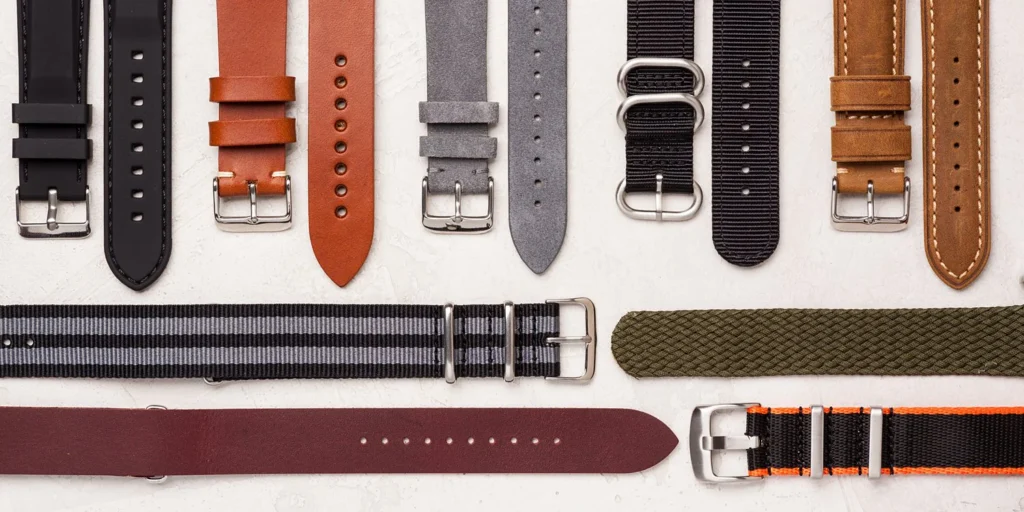
Belt Leather Requirements
For full grain leather belt production, look for leather that’s 3-4 ounces in weight (thickness). This provides the structural integrity needed for a belt that will hold up pants and accessories without stretching excessively.
The best leather belt buckles attach to leather that’s firm enough to support the hardware without sagging. Width consistency matters too; belt leather should maintain the same width across its entire length.
Watch Strap Specifications
Leather watch band production demands thinner, more flexible leather, typically 1.5-2.5 ounces. The leather needs to curve comfortably around the wrist while maintaining its shape.
For leather wrist watch bands, consider how the leather will interact with the watch case and buckle. Premium manufacturers like Akram Tannery specialize in providing leather that meets these exact specifications for professional watchmakers.
The leather should be soft enough to be comfortable but firm enough to maintain its structure. Many manufacturers creating watch band leather prefer calfskin for its fine grain and supple feel.
How to Find Reliable Leather Suppliers
Finding the right supplier makes all the difference. Here’s what separates great leather suppliers from mediocre ones:
Look for Industry Certifications
Professional tanneries often hold certifications from organizations like the Leather Working Group (LWG). This certification indicates environmental responsibility and quality standards in the tanning process.
When you’re ready to buy leather for belt making at scale, certifications matter. They show the supplier takes quality seriously and follows industry best practices.
Evaluate Their Product Range
Quality suppliers understand different needs. They should offer various leather types upholstery leather, vegetable tanned leather, and embossed leather, and know which works best for specific applications.
Check if they can provide leather suitable for various types of leather belts and watch leather straps. Versatility in their catalog usually indicates deep industry knowledge.
Request Samples Before Bulk Orders
Never commit to bulk purchases without testing samples first. Order small quantities of the leather you’re considering and actually make products with it. Test how it cuts, how it responds to edge finishing, how it takes dye or finish, and how it ages.
For full grain leather belt women or men’s collections, make several prototype pieces and wear them for at least a week. You’ll quickly discover if the leather performs as promised.
Ask About Sourcing and Processing
Transparent suppliers will tell you where their hides come from and how they’re processed. They should explain their tanning methods, quality control procedures, and how they ensure consistency across batches.
Professional tanneries like Akram Tannery that have been in business for years typically have established relationships with hide suppliers and proven processing methods. This experience translates to more reliable leather for your manufacturing needs.
Consider Lead Times and Minimum Orders
Understand the supplier’s production schedule and minimum order quantities. Some premium leathers require months of tanning time. If you’re launching a new line of leather straps watch or full grain leather belts for men, plan your ordering schedule accordingly.
Testing and Quality Control Before Purchase
Before you commit to a supplier for your belt making or watch strap production, implement these quality control checks:
Physical Inspection Checklist
Spread the leather flat and look for these quality indicators:
- Uniform color: While some variation is natural in full grain leather, drastic color changes indicate processing issues
- Surface integrity: No loose grain, peeling, or separation between layers
- Clean cuts: Edges should be straight and clean without fraying
- Appropriate stiffness: Firm but not brittle, flexible but not limp
- Natural markings: Authentic grain patterns, pores, and natural characteristics
The Water Drop Test
Place a small drop of water on the leather surface. Quality full grain leather will slowly absorb the water, darkening temporarily. If water beads up and rolls off immediately, the leather has heavy surface treatment that may prevent proper aging.
For leather for a belt or watch band production, you want leather that can breathe and develop character over time. Overly treated leather won’t create the patina customers love.
Stress Testing
Bend the leather sharply. Quality leather should crease but then largely return to its original shape when released. If the crease stays deeply marked, the leather might be too stiff for comfortable leather wrist watch bands or may crack at the belt holes.
Pull the leather from opposite ends with moderate force. It should resist stretching. Leather that stretches too easily will create belts that sag and watch straps that loosen over time.
Edge Finishing Test
Try finishing a sample edge. Quality leather should burnish smoothly, creating a clean, polished edge. If the edge frays, separates into layers, or won’t take a finish, this indicates lower-quality material.
Cost vs. Quality: Making Smart Sourcing Decisions
Price matters in business, but the cheapest leather usually costs more in the long run. Here’s how to think about leather pricing:
Understanding Price Points
Premium full grain leather belt material costs significantly more than genuine leather or bonded leather, sometimes 3-5 times more per square foot. But consider what you’re getting:
> Longer product life = fewer returns and replacements
> Better aging = customers who love their products more over time
> Stronger brand reputation = ability to charge premium prices
> Customer loyalty = repeat purchases and referrals
When you buy leather for belt making or leather watch band production, think about cost per satisfied customer, not just cost per square foot.
The Middle Ground Strategy
You don’t need to use the most expensive exotic leather for every product. Smart manufacturers create product lines:
> Premium collection: Top-grade full grain leather, highest prices, best margins
> Mid-range collection: High-quality top grain leather, good value, volume sales
> Entry collection: Good quality leather at accessible prices, customer acquisition
This strategy lets you serve different markets while maintaining quality standards across your entire range.
Hidden Costs of Cheap Leather
That bargain leather might seem attractive, but consider these hidden costs:
> Higher defect rates = wasted labor and materials
> Inconsistent quality = difficulty maintaining product standards
> Poor aging = returns and warranty claims months after purchase
> Weak edges = products that fail at stress points
> Customer dissatisfaction = damaged brand reputation
Professional manufacturers know that sourcing quality leather for belt making or watch strap production is an investment that pays dividends through customer satisfaction.
Working with Tanneries vs. Leather Wholesalers
You have two main options for sourcing leather: buying directly from tanneries or working with wholesalers. Each approach has advantages.
Direct from Tannery
Working directly with tanneries like Akram Tannery offers several benefits:
Customization options: Specify exact thickness, tanning method, and finish for your types of leather belts or watch leather straps
Quality assurance: Direct relationship means better communication about your specific needs
Competitive pricing: Eliminating middlemen can reduce costs on large orders
Consistent supply: Established relationships ensure reliable access to the leather grades you need
The downside? Tanneries often require larger minimum orders and longer lead times since they’re processing raw hides.
Through Wholesalers
Leather wholesalers stock various leather types from multiple tanneries, offering:
Variety: Easy access to different leathers for full grain leather belt women and men’s collections without maintaining multiple supplier relationships
Smaller quantities: Lower minimum orders let you test new products or handle smaller production runs
Quick delivery: Stock items ship immediately without waiting for processing
Less risk: Try different leather types before committing to large tannery orders
The trade-off is typically higher per-square-foot costs and less control over exact specifications.
Sustainable and Ethical Leather Sourcing
Today’s consumers increasingly care about where materials come from. Ethical sourcing isn’t just good for the planet; it’s good for business.
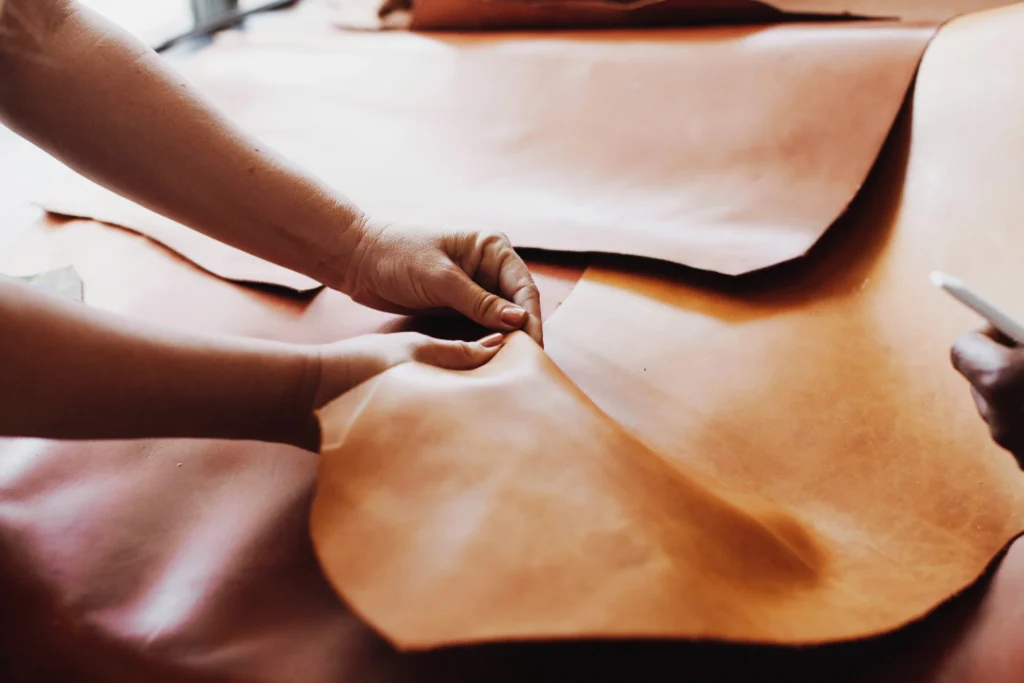
Environmental Considerations
Look for suppliers using responsible tanning methods. Vegetable tanning is generally more environmentally friendly than chrome tanning, though modern chrome tanning facilities with proper environmental controls can also be sustainable.
Check if your supplier addresses:
>Water treatment and recycling
>Chemical disposal procedures
>Energy use in processing
>Hide sourcing from responsible farms
Transparency in the Supply Chain
Quality suppliers should trace their hides back to their source. This transparency ensures you’re not inadvertently supporting illegal logging (for vegetable tanning materials) or inhumane animal treatment.
When marketing your full grain leather belts for men or leather watch band collections, being able to tell customers about responsible sourcing adds significant value.
Certifications That Matter
Beyond LWG certification, look for:
>ISO 14001 (Environmental Management)
>REACH compliance (Regulation of chemicals)
>Oeko-Tex certification (Harmful substance testing)
These certifications show suppliers take sustainability seriously and produce leather safe for daily skin contact, crucial for leather wrist watch bands worn all day.
Frequently Asked Questions
1) Q: Why do watch and belt makers care so much about leather grain?
A: The grain affects texture, durability, and how the leather patinas; finer-grain hides wear gracefully, while full-grain shows natural character.
2) Q: What types of leather are most common for premium watches and belts?
A: Full-grain and top-grain leathers are preferred for their strength, breathability, and aging charm; nubuck/suede are used for aesthetic variety but not as a main choice for durability.
3) Q: How is leather thickness chosen for a premium watch strap or belt?
A: Thickness balances flexibility and longevity; watch straps typically 2.0–3.0 mm, belts around 1.0–1.6 mm (inset) to maintain form and wear resistance.
4) Q: What does “tanned” really mean for leather quality?
A: Tanning stabilizes hides; vegetable-tanned leather develops a rich patina; chrome-tanned hides are softer and more uniform but may age differently.
5) Q: How important is the source of the hides?
A: Very. Reputable makers source from certified tanneries with traceable supply chains to ensure consistency, ethics, and quality.
6) Q: Do all premium leathers come from the same region?
A: No. High-end hides come from various regions (Italy, France, US, Europe) each with distinct tanning traditions and grain patterns.
7) Q: What role does finish play in leather for watches and belts?
A: Finish protects against water and stains and enhances color; topcoats and oils influence sheen, feel, and longevity.
8) Q: How do ethics and sustainability impact leather selection?
A: Many brands favor suppliers with responsible sourcing, reduced chemical use, and traceability to minimize environmental and social impact.
9) Q: Are vegan alternatives ever used in premium products?
A: Some brands experiment with high-quality synthetic or plant-based leathers for design but traditional premium items often rely on genuine leather for aging and feel.
10) Q: How do manufacturers test leather for premium quality?
A: They inspect grain structure, bend tests, pull tests, finish durability, water resistance, and how the surface patinas with wear.
11) Q: Can leather choice affect comfort on a watch strap?
A: Yes. Breathability, flexibility, and edge finishing influence comfort, especially on long wear.
12) Q: How do brands ensure color consistency across batches?
A: They use controlled dye lots, standardized tanning recipes, and frequent color matching against swatches andCalibration samples.
13) Q: What care methods maximize longevity of leather straps and belts?
A: Clean gently, condition periodically, avoid excessive water, store away from direct heat, and rotate to prevent overuse on one piece.
14) Q: How do leather and hardware (stitching, buckles) interact in premium products?
A: Matching leather weight and color with hardware finish creates coherent aesthetics and balanced wear performance.
15) Q: What should a buyer look for to verify premium leather quality?
A: Full-grain or top-grain designation, transparent sourcing, consistent color and texture, even edge finishing, and a credible warranty or care
Choosing Your Leather Supplier: The Final Decision
Selecting the right leather supplier for your belt making or watch strap production business requires balancing quality, cost, reliability, and values. The best suppliers become true partners in your business, understanding your needs and helping you maintain consistent quality.
Whether you’re launching a new line of full grain leather belts for men, expanding your leather watch band collection, or upgrading your current leather straps watch offerings, remember that your leather quality directly impacts every aspect of your business from production efficiency to customer satisfaction to long-term brand value.
Take time to vet suppliers thoroughly, test samples extensively, and build relationships with tanneries that share your commitment to quality. When you’re ready to source premium leather for your manufacturing needs, experienced suppliers like Akram Tannery can provide the consistent quality and expert guidance that turn good products into exceptional ones.
The leather you choose today determines the products your customers will love tomorrow and recommend for years to come.