
When you pick up a designer handbag or slip on a pair of luxury shoes, have you ever wondered what makes them feel so special? It’s not just the brand name, it’s the quality of raw leather that transforms ordinary accessories into timeless pieces worth thousands of dollars.
Luxury fashion houses like Hermès, Louis Vuitton, Chanel, and Gucci don’t just pick any leather off the shelf. They source the finest premium raw hides from specialized tanneries around the world, each chosen for specific qualities that make their products stand out. From buttery-soft lambskin leather to exotic crocodile skin, every type tells a story of craftsmanship and quality.
In this comprehensive guide, we’ll take you inside the world of luxury leather types used by top fashion brands. Whether you’re a fashion enthusiast, a designer looking for quality suppliers, or simply curious about what makes luxury leather so expensive, you’ll discover everything you need to know about the raw materials behind the world’s most coveted fashion pieces.
What Makes Leather “Luxury Quality”?
Before we explore specific leather types, let’s understand what separates luxury leather from regular leather.
Luxury leather is characterized by three key factors:
The source animal and its quality: Young animals with minimal scarring produce finer hides
The tanning process: Traditional methods like vegetable tanning create superior results
The grade of the hide: Full-grain and top-grain leather represent the highest quality
According to industry experts, luxury brands source most of their leather from Italy and France, where centuries-old tanneries have perfected the art of leather treatment. These premium hides undergo rigorous selection processes, with only 10-15% of available hides making the cut for luxury fashion.
Top Raw Leather Types Luxury Brands Can’t Live Without
1. Calfskin Leather: The Gold Standard
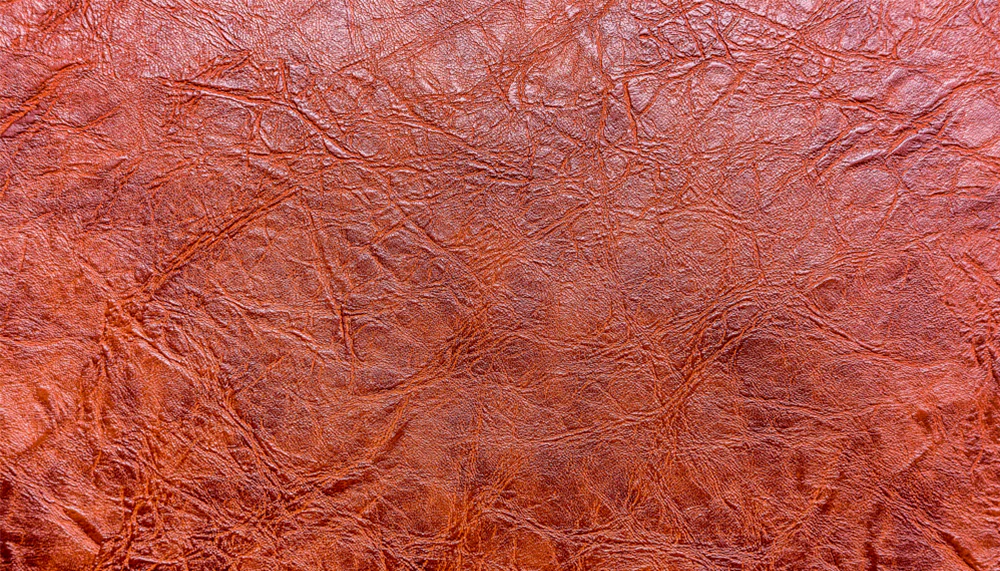
Calfskin stands as the most popular choice among luxury fashion houses for one simple reason: it perfectly balances softness with durability.
Why Luxury Brands Love Calfskin:
- Fine, tight grain structure creates a smooth, refined appearance
- Lightweight yet durable: stronger than lambskin but softer than cowhide
- Versatile finishing options: works beautifully for patent, matte, or metallic finishes
- Ages gracefully with proper care
Brands Using Calfskin:
- Chanel uses aged calfskin for their iconic flap bags
- Hermès crafts Kelly and Birkin bags from premium box calfskin
- Celine produces their minimalist Box Bag in smooth calfskin
Price Point: A Chanel bag in calfskin typically costs around $8,000-$9,000
The secret behind calfskin’s appeal lies in its origin: it comes from young cattle, resulting in a hide that’s more supple than mature cowhide. The tighter fiber structure means it resists scratches better while maintaining that luxurious feel luxury customers expect.
2. Lambskin Leather: Ultimate Luxury Softness
If calfskin is the gold standard, lambskin is pure platinum, the softest, most buttery leather you’ll ever touch.
Lambskin Characteristics:
- Incredibly soft and supple texture
- Lightweight with natural drape
- Luxurious sheen that catches light beautifully
- Takes dyes exceptionally well for rich, vibrant colors
The Trade-Off: While lambskin feels amazing, it’s more delicate than other leathers. It scratches more easily and requires careful handling. This is why many buyers choose it for special occasion bags rather than everyday use.
Brands Using Lambskin:
- Chanel Classic Flap Bags in lambskin retail for approximately $8,750
- Louis Vuitton uses lambskin for select seasonal collections
- Dior incorporates lambskin in their Lady Dior collection
Care Tip: Lambskin needs regular conditioning and should be stored away from direct sunlight to prevent drying.
For those concerned about common leather defects, lambskin undergoes extensive quality checks to ensure only flawless hides make it to luxury products.
3. Goatskin Leather: The Durable Workhorse
Goatskin doesn’t get as much spotlight as calfskin or lambskin, but luxury brands secretly love it for its practical benefits.
Goatskin Advantages:
- Highly durable: resists wear and tear better than lambskin
- Natural pebbled texture that hides scratches
- Weather-resistant: holds up well in various climates
- Flexible yet structured: maintains bag shape over time
- More affordable than calfskin while still premium
Brands Using Goatskin:
- Chanel’s 19 collection extensively uses goatskin
- Dior offers many bags in chevroté (goatskin)
- Bottega Veneta incorporates goatskin in woven designs
Price Comparison: A Chanel 19 in goatskin costs around $5,500, making it more accessible than lambskin versions.
The natural grain pattern of goatskin means each bag develops a unique character over time. The material “wears in” rather than “wears out,” becoming softer and more comfortable with use.
4. Vachetta Leather: The Patina Specialist
Vachetta leather is untreated, natural leather that luxury brands use for its unique aging properties. Think of it as leather that tells your story.
What Makes Vachetta Special:
- Natural, untanned finish in pale beige
- Develops rich patina over time, from honey to deep brown
- Shows your bag’s journey through color changes
- Water-sensitive, stains easily, but adds character
Brands Using Vachetta:
- Louis Vuitton: Famous for using vachetta on Monogram bag trims, handles, and straps
- Hermès: Uses Vache Hunter leather on Herbag accessories
The “problem” with vachetta is also its appeal: it changes colour with age and use. Some people love watching their bag darken naturally, while others prefer leather that stays consistent. Either way, it’s a signature of authentic Louis Vuitton craftsmanship.
5. Box Calfskin: Hermès’ Secret Weapon
Box calfskin represents the pinnacle of leather finishing, a glossy, mirror-like surface achieved through intensive glazing.
Box Calfskin Features:
- High-shine, glass-like finish
- Extremely smooth surface
- Shows scratches easily (considered part of its character)
- Rigid structure: perfect for structured bags
Where You’ll Find It: Hermès Birkin and Kelly bags in box calfskin are among the most sought-after luxury items, with prices starting around $10,000 and reaching well over $100,000 for special editions.
The finishing process for box calfskin takes weeks and requires master craftsmen. The result is leather that looks almost plastic-like in its perfection until you touch it and feel pure luxury.
6. Epsom Leather: Prada’s Saffiano Innovation
Embossed leather comes in many forms, but two stand out in luxury fashion:
Prada Saffiano Leather:
- Cross-hatch texture is pressed into calfskin
- Extremely scratch-resistant
- Holds shape beautifully
- Easy to maintain
Hermès Epsom Leather:
- Heat-stamped pattern
- Lightweight and structured
- Holds color vibrantly
Why Brands Use Embossed Leather: The embossing process not only creates distinctive textures but also adds durability. The pressed pattern hides minor scratches and makes the leather more resistant to water and stains.
Price Range: Prada Galleria bags in Saffiano leather typically cost $2,500-$3,500, while Hermès Epsom pieces command premium prices.
For insights on modern embossed leather trends, check out our article on embossed leather durability in 2025.
Exotic Raw Leather Types: When Ordinary Won’t Do
Luxury brands reserve exotic leathers for their ultra-premium collections. These rare materials come with eye-watering price tags to match their exclusivity.
7. Crocodile and Alligator Leather: The Ultimate Status Symbol
Crocodile leather represents less than 1% of the world’s leather production, making it incredibly rare and expensive.
Key Differences:
- Crocodile scales have small pores (hair follicles) near the edges
- Alligator scales are smoother without visible pores
- Australian Saltwater Crocodile is most prized for its flexibility
Why So Expensive?
- It takes multiple skins to make one bag
- Requires specialized tanning skills
- Farmed in limited quantities
- Each hide is unique
Brands Using Crocodile/Alligator:
- Hermès: The famous Himalaya Birkin in crocodile sold for $300,000+
- Louis Vuitton: Petite Malle in crocodile retails for $30,000
- Gucci: Offers iconic pieces in crocodile skin
First-grade crocodile skin costs approximately $9 per centimeter, meaning a 40 cm hide costs $360 before processing.
8. Ostrich Leather: Durable and Distinctive
Ostrich leather is instantly recognizable by its unique “quill pattern” bumps where feathers were attached.
Ostrich Leather Benefits:
- Most durable exotic leather
- Natural oils keep it soft and supple
- Develops beautiful patina over time
- Large skins mean fewer seams in bags
Brands Using Ostrich:
- Hermès: Extensive ostrich collection in vibrant colors
- Louis Vuitton: Briefcases and special editions
- Loro Piana: Crossbody bags in full-quill ostrich
Care Note: Ostrich can discolour, and handles often darken with skin contact, but this adds to its character.
9. Python and Exotic Snake Leather: Bold Statement Pieces
Python leather offers dramatic scale patterns that make powerful fashion statements.
Types of Python Leather:
- Reticulated Python: larger scales
- Karung (Water Snake): finer scales
What Makes Python Special:
- Striking visual patterns
- Flexible and lightweight
- Delicate nature it requires protective treatment
Brands Using Python:
- Chanel: Timeless bags in python
- Gucci: Distinct silhouettes in python skin
- Saint Laurent: Accessories in exotic python
Python leather works best for statement bags where the dramatic pattern takes center stage.
Understanding Leather Grades: Why Quality Matters
Not all leather is created equal. The grade of leather dramatically affects both quality and price.
Full-Grain Leather: The Premium Choice
Full-grain leather comes from the outermost layer of the hide and includes:
- Complete natural grain with no sanding or buffing
- All natural markings preserved (considered desirable)
- Strongest and most durable leather available
- Develops rich patina over decades
Luxury brands predominantly use full-grain leather because it ages beautifully and lasts generations.
Top-Grain Leather: The Refined Option
Top-grain leather has been lightly sanded to remove imperfections:
- More uniform appearance
- Slightly less durable than full-grain
- Better stain resistance
- More affordable than full-grain
Many luxury brands use top-grain for products requiring a consistent appearance.
To understand the difference between leather types, read our guide on full-grain vs pull-up leather benefits.
How Luxury Tanneries Process Raw Leather
The journey from raw hide to luxury leather involves careful craftsmanship:
Chrome Tanning (Most Common)
- Uses chromium salts
- Takes days instead of months
- Creates soft, water-resistant leather
- Preferred for fashion leather
Vegetable Tanning (Traditional Method)
- Uses natural tannins from bark and leaves
- Takes weeks to months
- Creates firm, long-lasting leather
- Develops superior patina
Learn more about vegetable-tanned leather mastery and why luxury brands value this traditional process.
Which Leather Type Is Best for Different Products?
For Handbags:
- Daily Use: Goatskin or top-grain calfskin
- Special Occasions: Lambskin
- Investment Pieces: Full-grain calfskin or exotic leather
- Statement Bags: Python or ostrich
For Wallets & Small Goods:
- Durability: Goatskin or calfskin
- Luxury Feel: Lambskin
- Longevity: Full-grain leather
For Shoes:
- Dress Shoes: Box calfskin
- Boots: Full-grain cowhide
- Luxury Sneakers: Calfskin or nappa leather
| Leather Type | Entry Price Range | Luxury Price Range |
|---|---|---|
| Calfskin | $1,500 – $3,000 | $8,000 – $15,000 |
| Lambskin | $2,000 – $4,000 | $8,500 – $18,000 |
| Goatskin | $1,200 – $2,500 | $5,500 – $12,000 |
| Box Calfskin | $3,000 – $5,000 | $10,000 – $30,000 |
| Crocodile | $10,000 – $20,000 | $30,000 – $300,000+ |
| Alligator | $8,000 – $15,000 | $25,000 – $100,000 |
| Ostrich | $4,000 – $8,000 | $12,000 – $40,000 |
| Python | $3,000 – $6,000 | $10,000 – $35,000 |
Understanding leather pricing helps you make informed decisions:
Prices vary based on brand, size, hardware, and market conditions.
- Store properly: Use dust bags in cool, dry places.
- Avoid direct sunlight: Prevents color fading.
- Clean gently: Use leather-specific cleaners.
- Condition regularly: Keeps leather supple.
- Lambskin: Condition every 2–3 months, handle with clean hands.
- Vachetta: Embrace patina, protect from water initially.
- Exotic Leathers: Professional cleaning only.
- Embossed Leather: Easiest to maintain, wipe with a damp cloth.
For comprehensive storage guidance, see our article on 5 mistakes to avoid when storing leather products.
How To Authenticate Luxury Leather
With counterfeit products flooding the market, knowing how to identify genuine luxury leather is crucial:
Authentication Checklist:
- Smell: Real leather has distinctive, rich scent (synthetic smells like plastic)
- Texture: Natural leather shows slight variations, not perfectly uniform
- Temperature: Leather warms to touch; synthetic stays cool
- Grain Pattern: Look for natural imperfections in full-grain leather
- Edges: Quality leather has smooth, sealed edges
- Stamps: Authentic luxury brands have clear, precise stamps
Red Flags:
- Perfect, completely uniform appearance
- Chemical smell
- Suspiciously low prices
- Missing authenticity cards
- Poor stitching quality
Sustainable Luxury: The Future of Raw Leather
Modern luxury brands are increasingly focusing on ethical and sustainable leather sourcing:
Current Trends:
- Traceable sourcing from certified farms
- Vegetable tanning for environmental benefits
- Upcycling leather scraps into new products
- Transparent supply chains
Brands Leading Sustainability:
- Hermès – Invests in ethical farms
- Louis Vuitton – LVMH committed to responsible exotic leather sourcing (2019)
- Stella McCartney – Pioneering vegan leather alternatives
Learn more about vegetable-tanned leather sustainability.
Frequently Asked Questions (FAQs)
What is the most expensive leather type?
Crocodile leather holds the title as the most expensive, with Hermès Himalaya Birkin bags in crocodile selling for over $300,000. Alligator leather follows closely, with prices reaching $100,000+ for special pieces.
Is lambskin or calfskin better for handbags?
It depends on your priorities. Lambskin offers unmatched softness and luxury feel but requires more care. Calfskin provides better durability and scratch resistance while still feeling luxurious. For daily use, calfskin is more practical; for special occasions, lambskin creates that “wow” factor.
How can you tell if leather is high quality?
High-quality leather exhibits full-grain texture with natural variations, develops patina over time, feels supple yet strong, has a pleasant natural scent, and comes with proper grading documentation. Check for tight, even stitching and smooth, sealed edges on finished products.
What leather does Hermès use for Birkin bags?
Hermès uses multiple leather types depending on the collection: box calfskin, Togo leather (pebbled calfskin), Clemence leather, Epsom leather, and exotic options like crocodile, alligator, ostrich, and lizard. Each offers different textures and price points.
Why is exotic leather so expensive?
Exotic leather costs significantly more because:
(1) Animals are rare and farming is limited
(2) Multiple hides needed for one bag
(3) Requires specialized tanning expertise
(4) Each hide is unique with distinct patterns
(5) Strict regulations govern sourcing and trade.
These factors create genuine scarcity and drive prices up.
How long does luxury leather last?
With proper care, full-grain luxury leather can last 30-50+ years and often improves with age. Lambskin may show wear sooner (10-20 years with regular use) but can be professionally restored. Exotic leathers like crocodile can last generations when properly maintained. The quality of original leather and care practices determine longevity.
What is the difference between nubuck and suede?
Nubuck comes from the outer side of the hide (top-grain) and is sanded for a velvety texture it’s more durable. Suede comes from the underside (split leather) and has a softer, fuzzier texture but less durability. Both require special care to prevent staining. Read our detailed comparison in 5 key differences between nubuck and suede.
Do luxury brands use real leather or synthetic?
Top luxury brands like Hermès, Chanel, Louis Vuitton, and Gucci primarily use genuine leather; they built their reputations on quality materials. However, some are experimenting with high-end vegan alternatives for sustainable collections. When buying luxury products, authentic pieces will clearly state the leather type used.
Is vegetable-tanned leather better than chrome-tanned?
Each has advantages. Vegetable-tanned leather offers superior aging, develops a rich patina, is more eco-friendly, and lasts longer; it is preferred for heritage pieces and saddles. Chrome-tanned leather is softer, more water-resistant, comes in varied colors, and costs less; it is preferred for fashion items. Luxury brands use both depending on the product’s purpose.
How do I know if my leather bag is worth the price?
Assess these factors:
(1) Leather grade (full-grain is premium)
(2) Leather type (exotic costs more)
(3) Brand craftsmanship and heritage
(4) Stitching quality and construction
(5) Hardware quality (solid brass/gold)
(6) Resale value for investment pieces
(7) Ethical sourcing documentation.
Compare with common leather defects to ensure you’re getting what you pay for.
Partner With Akram Tannery: Your Source for Premium Raw Leather
Looking for high-quality raw leather for your fashion brand or manufacturing needs? Akram Tannery has been Pakistan’s leading premium leather manufacturer for over 34 years, supplying luxury-grade hides to brands worldwide.
Why Choose Akram Tannery?
- ✅ 34+ years expertise in leather manufacturing
- ✅ Full-grain and top-grain leather specialization
- ✅ Vegetable tanning capabilities
- ✅ Quality control at every production stage
- ✅ Custom tanning and finishing options
- ✅ Sustainable sourcing practices
- ✅ International export experience
Our Leather Products Include:
- Premium calfskin and cowhide
- Vegetable-tanned leather
- Full-grain and top-grain leather
- Custom-finished leathers
- Nubuck and suede leather
- Woven leather materials
Ready to Source Premium Leather?
Contact Akram Tannery today to discuss your leather requirements. Whether you need small quantities for boutique products or bulk orders for large-scale manufacturing, our team delivers quality that meets international luxury standards.
📍 Visit Us: Akram Tannery – Pakistan’s Premium Leather Manufacturer
Final Thoughts: Choosing the Right Luxury Leather
Understanding raw leather types empowers you to make informed decisions whether you’re investing in a luxury handbag, starting a fashion brand, or simply appreciating the craftsmanship behind luxury goods.
Remember:
- Calfskin offers the best balance of luxury and durability
- Lambskin delivers unmatched softness for special pieces
- Goatskin provides practical luxury for everyday use
- Exotic leathers make ultimate statement pieces
- Full-grain leather ensures your investment lasts decades
The leather type you choose should align with your lifestyle, budget, and how you plan to use the product. With proper care, luxury leather items become heirloom pieces that tell your story for generations.
Whether you’re drawn to the buttery softness of lambskin, the practical elegance of calfskin, or the exotic appeal of crocodile, understanding these materials helps you appreciate why luxury leather commands premium prices and why it’s worth every penny.
Want to explore more about leather quality and manufacturing? Browse our leather manufacturing blog for expert insights, industry trends, and comprehensive guides to help you master the world of luxury leather.